Why Great Brand Activations Start Long Before the Build
.jpg)
When people think about a brand activation, they usually picture the finished result.
The packed crowd.
The immersive experience.
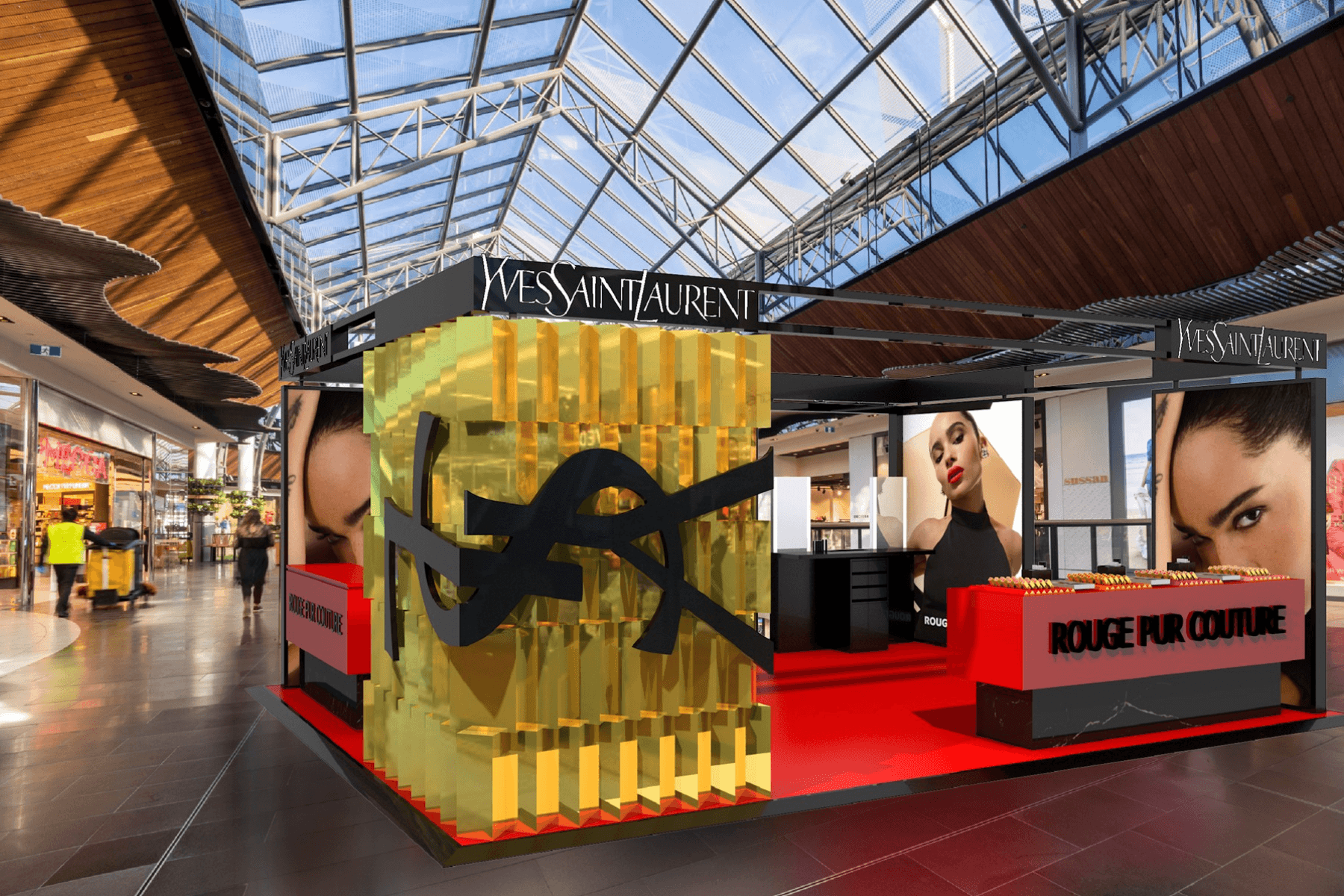
The custom structure that stops people in their tracks and pulls out their phones.
What they don't see is the weeks, and sometimes months, of planning that happened beforehand.
The truth is, the quality of a brand activation is usually decided long before a single sheet of timber is cut or a single panel is painted.
It happens during the planning stage.
That's where budgets are protected, risks are reduced and great ideas become projects that can actually be delivered.
The Build Is Only One Part Of The Activation
A common misconception is that fabrication is where the heavy lifting happens.
In reality, fabrication is only one piece of a much bigger puzzle.
Before anything enters the workshop, there are dozens of decisions that need to be made.
Questions like:
- Is the concept achievable within budget?
- Can it be delivered within the available timeline?
- Will it comply with venue requirements?
- How will it be transported?
- How long will installation take?
- What happens if weather conditions change?
Miss any one of these details and even the most exciting creative concept can quickly become a headache.
Every Great Activation Starts With Alignment
The strongest activations begin with a simple exercise.
Getting everyone aligned.
Creative teams want impact.
Marketing teams want results.
Procurement teams want costs controlled.
Operations teams want realistic timelines.
The challenge is making all of those priorities work together.
This is where early planning becomes invaluable.
By bringing the creative vision, available budget and project timeline into alignment from the beginning, teams avoid the painful compromises that often happen later.
It's much easier to adjust a concept during planning than halfway through fabrication.
.jpg)
The Best Ideas Usually Evolve
One of the most interesting parts of the activation process is watching ideas develop.
A concept might start as a rough sketch.
A mood board.
A handful of reference images.
Then the practical questions begin.
- What materials should be used?
- Can sections be manufactured offsite?
- How will audiences interact with the structure?
- How can installation be simplified?
The final activation often looks very similar to the original vision.
But beneath the surface, dozens of small decisions have been made to make it stronger, safer and easier to deliver.
That's not creative compromise.
That's creative refinement.
Why Detailed Planning Creates Better Creative Outcomes
Some people worry that process limits creativity.
In our experience, the opposite is usually true.
When teams know exactly what's possible, creativity becomes more focused.
Instead of chasing ideas that won't survive budget reviews or engineering requirements, attention shifts towards concepts that can actually be brought to life.
The result is often more ambitious, not less.
Because the team has confidence in the path forward.
Reducing Risk Without Losing Impact
Every activation carries risk.
There are deadlines.
Budgets.
Approvals.
Stakeholders.
Suppliers.
Venues.
Moving parts everywhere.
The goal isn't to eliminate risk completely.
That's impossible.
The goal is to identify potential issues early enough that they can be managed before they become expensive problems.
That's why experienced activation teams spend so much time planning.
Not because they're cautious.
Because they've seen what happens when projects skip the process.
The Hidden Value Of Documentation
Documentation rarely gets celebrated.
Nobody shares timelines on social media.
Nobody posts approval workflows on LinkedIn.
Yet these documents often determine whether a project succeeds.
- Detailed scopes
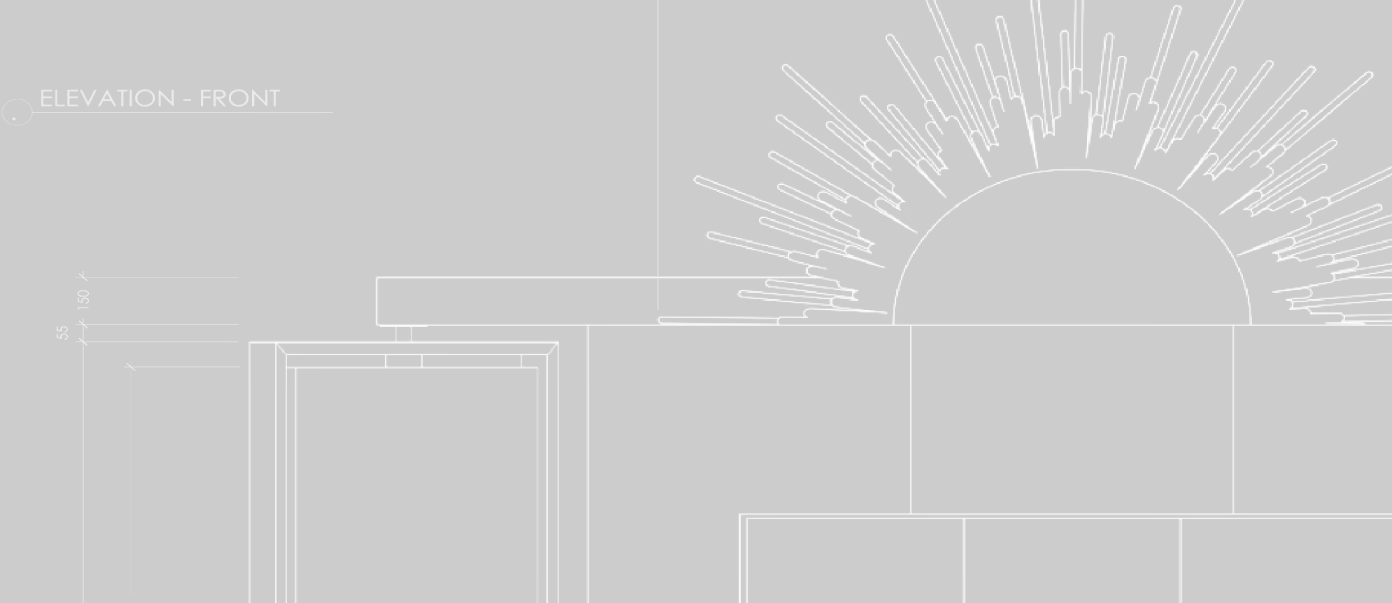
- Construction drawings
- Production schedules
- Logistics plans
- Venue approvals
Each one removes uncertainty.
Each one gives stakeholders confidence.
Each one helps keep the project moving.
The audience may never see those documents.
They'll definitely notice the difference when they don't exist.
Why Clients Value Visibility
One of the biggest frustrations people experience during an activation project is not knowing what's happening.
Silence creates anxiety.
A lack of visibility creates doubt.
That's why communication matters.
When clients understand where a project sits, what decisions need to be made and what's coming next, they can focus on their own responsibilities rather than worrying about what's happening behind the scenes.
The process becomes collaborative instead of mysterious.
And that's usually when the best work gets produced.
Great Activations Are Built Twice
The first build happens on paper.
In planning sessions.
In production schedules.
In workshop drawings.
In project timelines.
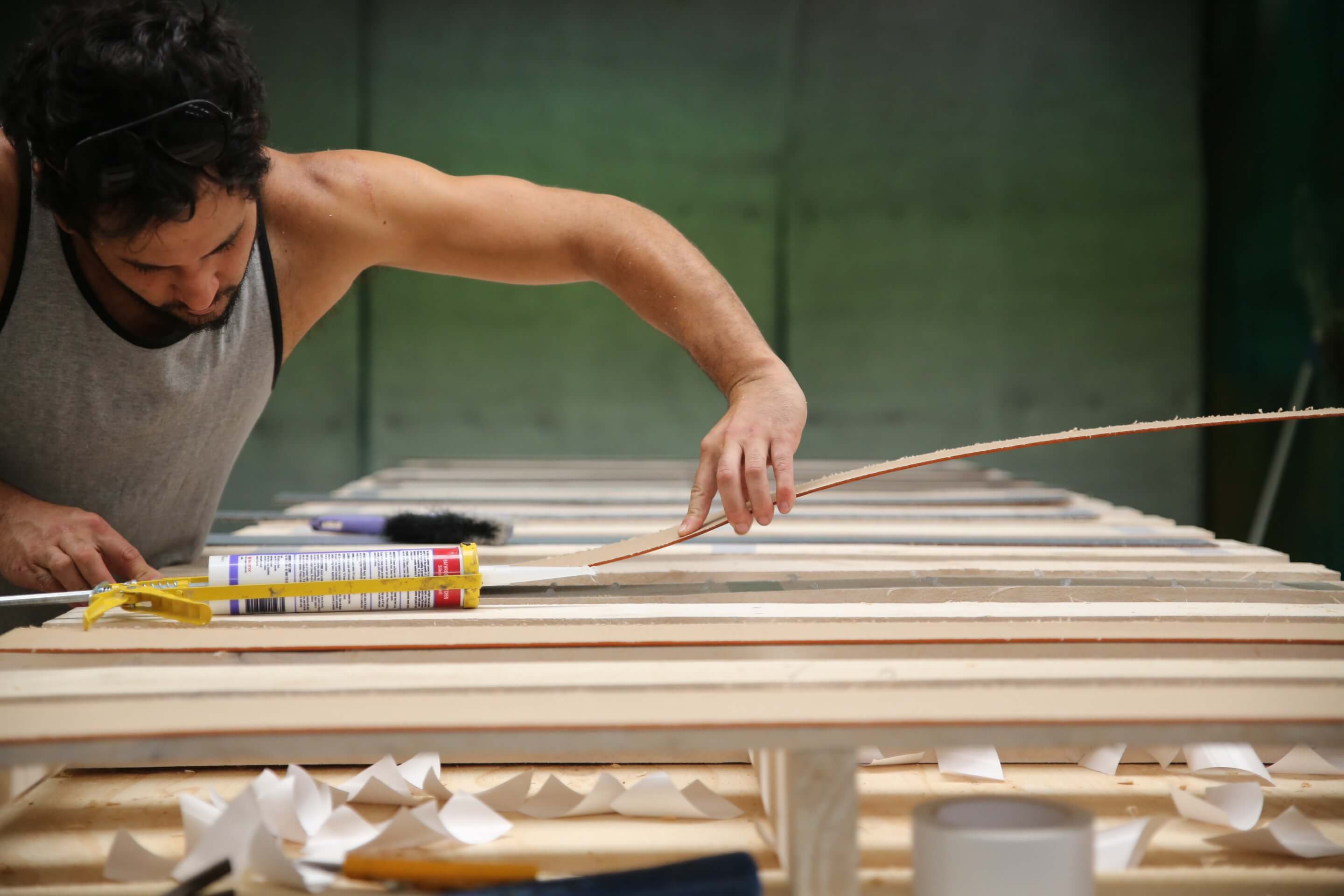
Only after that does the physical build begin.
The brands that consistently deliver successful activations understand this.
They know the workshop is important.
But they also know that careful planning is what turns a creative concept into something tangible, memorable and achievable.
Long before the first tool is picked up, the activation has already started.
Ready to start your own project?
Share your brief and we'll show you what's possible.
Read More
Project stories, industry insights, and a look inside how Traction Studios brings creative concepts to life.

.jpg)