What Happens Behind The Scenes Of A Successful Brand Activation? A Step-By-Step Look At The Process
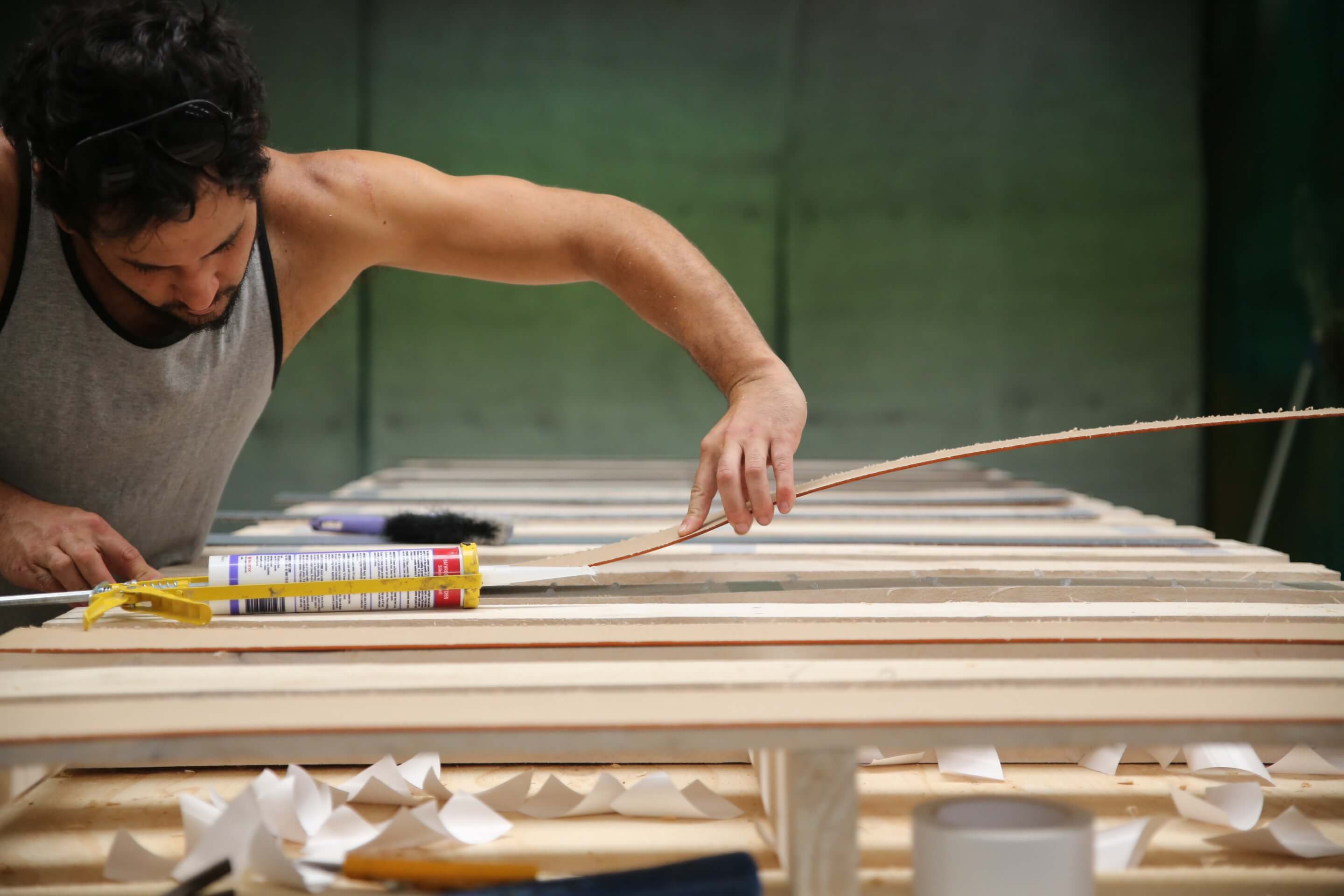
When people walk into a great brand activation, they only see the finished product.
The giant structure.
The interactive experience.
The polished branding.
The crowds.
The photos.
The social media posts.
What they don't see is everything that happened beforehand.
The countless decisions.
The planning sessions.
The revisions.
The logistics.
The late-stage problem-solving.
The reality is that a successful activation isn't built in a workshop.
It's built in the process that happens before the workshop.
The physical build is simply where all that planning becomes reality.
So what actually happens behind the scenes?
Let's pull back the curtain.
Step 1: Understanding The Idea Behind The Idea
Most projects don't arrive fully formed.
Sometimes there's a detailed creative concept.
Sometimes there's a rough sketch.
Sometimes there's a sentence written on a notepad.
And occasionally there's just a feeling someone wants people to experience.
This first stage is about understanding what success looks like.
Not just what the activation should look like.
What it should achieve.
Questions usually include:
- What's the objective?
- Who is the audience?
- What experience are we trying to create?
- What's the available budget?
- When does it need to be delivered?
This stage often uncovers opportunities that weren't obvious at the beginning.
A small adjustment here can save significant time and money later.
.JPG)
Step 2: Aligning The Concept, Budget And Timeline
This is where many activations either gain momentum or run into trouble.
Creative ideas are exciting.
Budgets are real.
Deadlines are unavoidable.
The challenge is making all three work together.
Sometimes the concept needs refining.
Sometimes a smarter material choice creates savings.
Sometimes construction methods can be adjusted without changing the audience experience.
The goal isn't to reduce ambition.
The goal is to build a pathway that gives the idea the best chance of success.
Because a brilliant concept that can't be delivered isn't actually a solution.
Step 3: Refining The Design
Once the project direction is clear, the design starts evolving.
This is where concepts become tangible.
Dimensions are confirmed.
Materials are explored.
Construction methods are considered.
Visual details are refined.
The project starts moving from imagination to something people can properly evaluate.
At this stage, teams often discover opportunities to improve the activation.
A feature becomes more immersive.
A structure becomes easier to install.
A design element becomes more durable.
Small improvements begin stacking up.
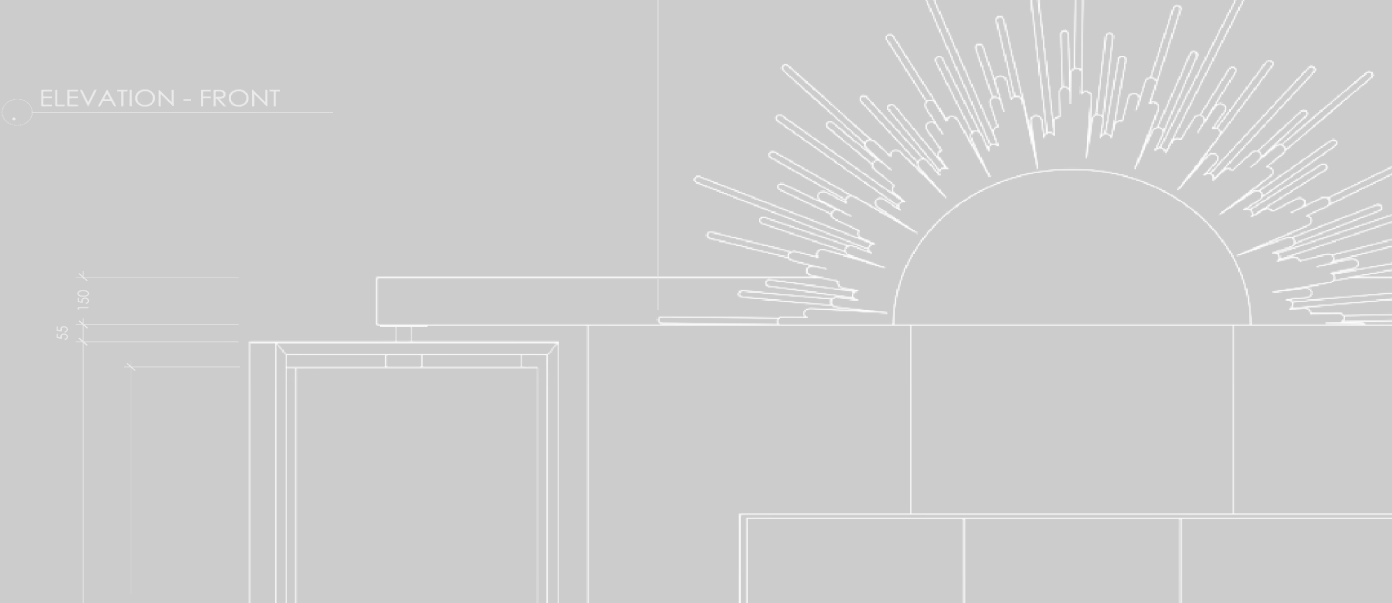
Step 4: Drafting And Technical Documentation
This is the stage many people never see.
It's also one of the most important.
Before fabrication starts, the activation needs to be translated into a set of instructions the build team can follow.
Detailed drawings are produced.
Construction methods are documented.
Engineering considerations are reviewed.
Installation requirements are mapped out.
To some people, drawings look like paperwork.
To production teams, they're clarity.
Every detail documented here reduces uncertainty later.
Step 5: Planning The Logistics
This is where things get interesting.
Because building something is only half the challenge.
Getting it where it needs to go is another challenge entirely.
Questions begin appearing quickly:
- How will it be transported?
- How many vehicles are required?
- Does it need to be assembled onsite?
- What access restrictions exist?
- What bump-in window has been allocated?
- Are there venue compliance requirements?
The most successful activations solve these problems before fabrication begins.
Not after.
Step 6: Fabrication Begins
Now the workshop comes alive.
Timber gets cut.
Steel gets fabricated.
Acrylic gets shaped.
Paint gets applied.
Lighting gets installed.
Brand elements start appearing.
For clients, this is often the most exciting stage because the activation finally becomes visible.
The thing that existed only in drawings and renders starts taking physical form.
What was once an idea can now be touched.
Walked around.
Inspected.
Experienced.
But even here, the process remains important.
Quality checks happen continuously.
Measurements are verified.
Finishes are reviewed.
Components are tested.
The goal isn't simply to build.
It's to build accurately.
Step 7: Delivery And Installation
This is where months of preparation are put to the test.
The activation leaves the workshop and heads into the real world.
Install teams arrive onsite.
Components are unloaded.
Structures are assembled.
Branding is applied.
Technology is connected.
Final adjustments are made.
The audience never sees this stage.
And that's usually a good sign.
The smoothest installations are the ones that look effortless from the outside.
Step 8: The Activation Goes Live
Finally, the moment arrives.
The doors open.
The audience enters.
The experience begins.
This is the part everyone remembers.
The engagement.
The reactions.
The content creation.
The conversations.
The emotional connection.
It's the reason every previous step existed.
Every drawing.
Every timeline.
Every planning session.
Every delivery schedule.
Every approval.
All leading here.
Step 9: Bump-Out And Pack Down
Most people think the project ends when the activation finishes.
It doesn't.
The final stage is making sure everything is safely removed, packed down and transported away.
For touring activations, this may mean preparing for the next location.
For one-off events, it means restoring the site and completing the project professionally.
It's the final chapter in the process.
One that matters just as much as the first.
Why Process Matters More Than Most People Realise
The audience only sees the activation.
Clients often only see key milestones.
But behind every successful experiential campaign sits a carefully structured process.
That's not bureaucracy.
That's what allows ambitious ideas to become reality.
The bigger the activation becomes, the more valuable that process becomes.
Because when people know what's happening, what's coming next and what's expected of them, better decisions get made.
Stress levels drop.
Confidence increases.
Projects run smoother.
Great Activations Are Never Just Built
They're planned.
Refined.
Documented.
Reviewed.
Fabricated.
Installed.
Managed.
Then experienced.
The structures people remember aren't created by chance.
They're the product of hundreds of decisions made long before opening day.
That's the part most people never see.
And that's often where the real work happens.
Ready to start your own project?
Share your brief and we'll show you what's possible.
Read More
Project stories, industry insights, and a look inside how Traction Studios brings creative concepts to life.
.jpg)

.jpg)