The 7 Biggest Risks in Experiential Marketing Projects (And How To Avoid Them)
.jpg)
Experiential marketing has a habit of looking effortless when it's done well.
The activation opens on time.
The crowd shows up.
The content starts flowing across social media.
The client is happy.
The audience is engaged.
From the outside, it can feel like everything simply fell into place.
But anyone who's been involved in delivering an activation knows that's rarely the case.
Behind every successful activation sits a long list of decisions, approvals, timelines, suppliers, logistics plans and contingency measures.
When one of those pieces slips, things can unravel surprisingly fast.
The good news?
Most activation failures are predictable.
Which means they're preventable.
Here are the seven biggest risks we see in experiential marketing projects, and how experienced teams avoid them.
1. Falling In Love With A Concept Before Testing Reality
This is probably the most common issue.
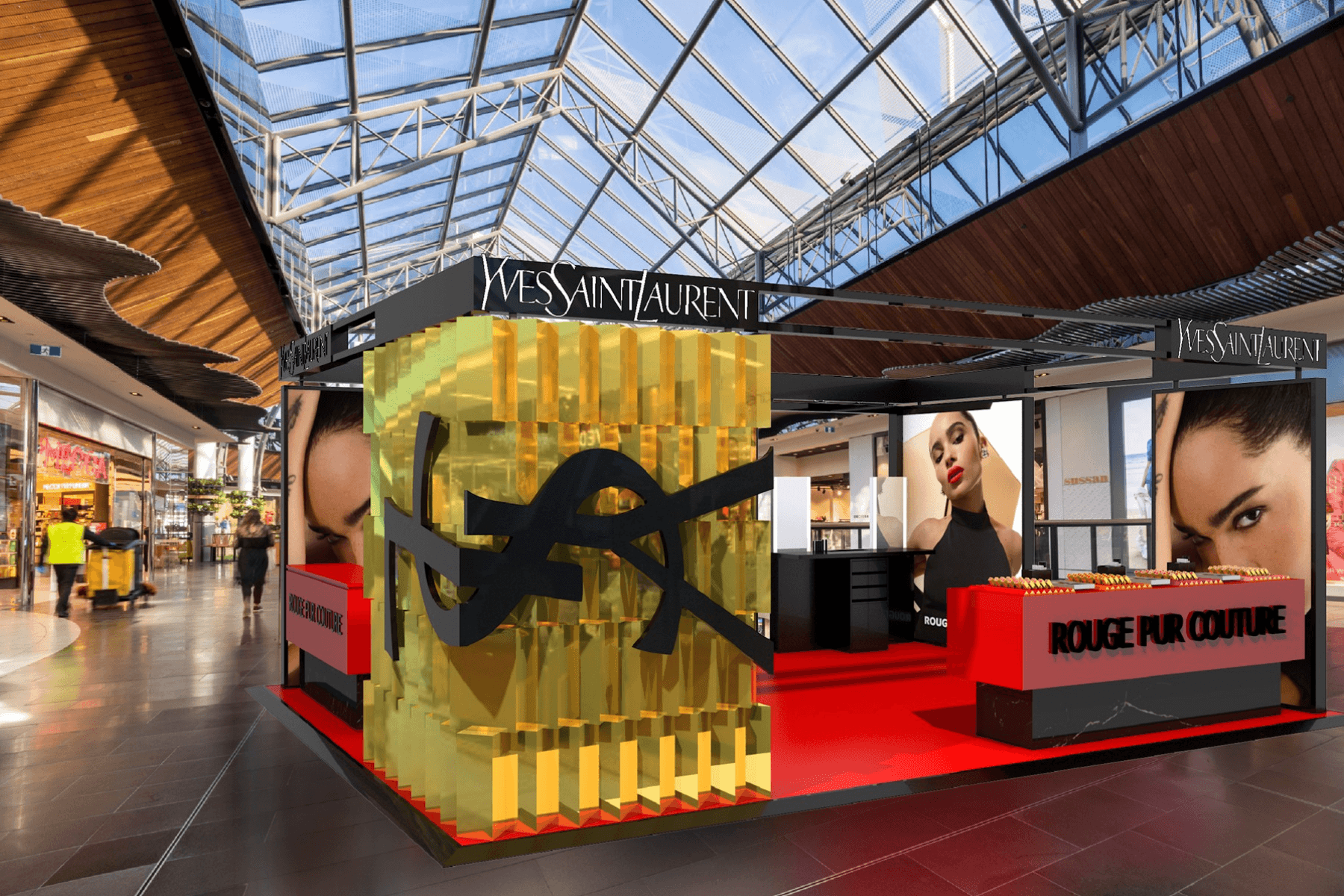
A creative concept gets approved because everyone loves the idea.
The render looks incredible.
The mood board gets people excited.
The client signs off.
Then someone starts asking practical questions.
Can it be built?
Can it fit through the venue access point?
Can it be installed during the available bump-in window?
Can it be delivered within budget?
Suddenly the project starts changing.
The earlier these questions are asked, the better.
The strongest activations aren't just creative.
They're achievable.
Great ideas become great activations when they're tested against budget, timeline and logistics from the beginning.
2. Underestimating Production Timelines
Every activation has a deadline.
The challenge is that not every activation has a realistic deadline.
Fabrication takes time.
Drafting takes time.
Approvals take time.
Freight takes time.
Even small delays can have a ripple effect across an entire project.
We've seen activations lose weeks before production even starts because stakeholders took longer than expected to approve designs.
What looked like a comfortable timeline suddenly became a sprint.
The solution is simple.
Build contingency into the schedule.
Not because things will definitely go wrong.
Because eventually something always takes longer than expected.
3. Ignoring Venue Requirements
Every venue has rules.
Shopping centres.
Exhibition halls.
Public spaces.
Museums.
Event venues.
Each comes with its own requirements, restrictions and approval processes.
- Power requirements
- Loading dock access
- Weight limits
- Fire compliance
- Installation windows
Miss one critical detail and the entire activation can grind to a halt.
The most successful projects involve venue conversations early, not after fabrication has already started.
4. Treating Logistics As An Afterthought
People get excited about design.
Nobody gets excited about logistics.
Until logistics become a problem.
A beautifully fabricated activation still has to be packed, transported, unloaded and installed.
Sometimes across multiple locations.
Sometimes overnight.
Sometimes within incredibly tight access windows.
A structure that looks perfect in a workshop can become a nightmare if transport requirements haven't been considered.
That's why experienced teams think about delivery before fabrication begins.
Not after.
.jpg)
5. Poor Communication Between Stakeholders
Experiential projects often involve a surprising number of people.
Brand teams.
Agencies.
Producers.
Venue managers.
Fabricators.
Install crews.
Suppliers.
The larger the project becomes, the more communication matters.
Most project issues aren't caused by poor workmanship.
They're caused by assumptions.
Someone thought somebody else was handling it.
Someone believed approval had already happened.
Someone assumed the requirements hadn't changed.
Clear communication prevents small misunderstandings from becoming expensive problems.
6. Chasing Cost Savings In The Wrong Places
Budget pressure is part of almost every activation.
The temptation is to reduce costs wherever possible.
Sometimes that's the right move.
Sometimes it isn't.
Removing features that don't contribute to the audience experience can be smart.
Compromising build quality, project management or planning usually isn't.
The cheapest option on paper can become the most expensive option once delays, rework and last-minute fixes start appearing.
Good budgeting isn't about spending less.
It's about spending wisely.
7. Leaving Too Much To Chance
This is the big one.
The risk that sits underneath every other risk.
The "she'll be right" approach.
The crossed fingers.
The hope that everything will somehow come together at the last minute.
Occasionally it works.
Most of the time it creates unnecessary stress.
The best activations don't rely on luck.
They rely on process.
- Detailed scopes
- Clear timelines
- Documented approvals
- Production schedules
- Site planning
- Regular updates
None of these things are particularly glamorous.
But they're often the difference between a smooth activation and a chaotic one.
The Common Thread Behind Every Successful Activation
When you look at successful experiential marketing projects, a pattern starts to emerge.
The brands aren't necessarily spending the most money.
The creative concepts aren't always the most complex.
The structures aren't always the biggest.
What they tend to share is clarity.
Everyone understands the objective.
Everyone understands the timeline.
Everyone understands their role.
And everyone knows what's happening next.
That's what creates confidence.
Not just for clients.
For agencies.
For producers.
For project teams.
For everyone involved.
Great Activations Are Built On Certainty
Experiential marketing will always involve moving parts.
That's part of what makes it exciting.
There will always be challenges.
There will always be unexpected variables.
There will always be moments where quick decisions are needed.
But the projects that consistently succeed aren't the ones that avoid complexity.
They're the ones that manage it.
The earlier risks are identified, the easier they become to solve.
And when that's done properly, the team gets to focus on the reason the activation exists in the first place.
Creating something people remember.
Something people talk about.
Something worth experiencing.
Ready to start your own project?
Share your brief and we'll show you what's possible.
Read More
Project stories, industry insights, and a look inside how Traction Studios brings creative concepts to life.

.jpg)