Planning a Christmas Activation? 8 Things to Get Right Before Installation
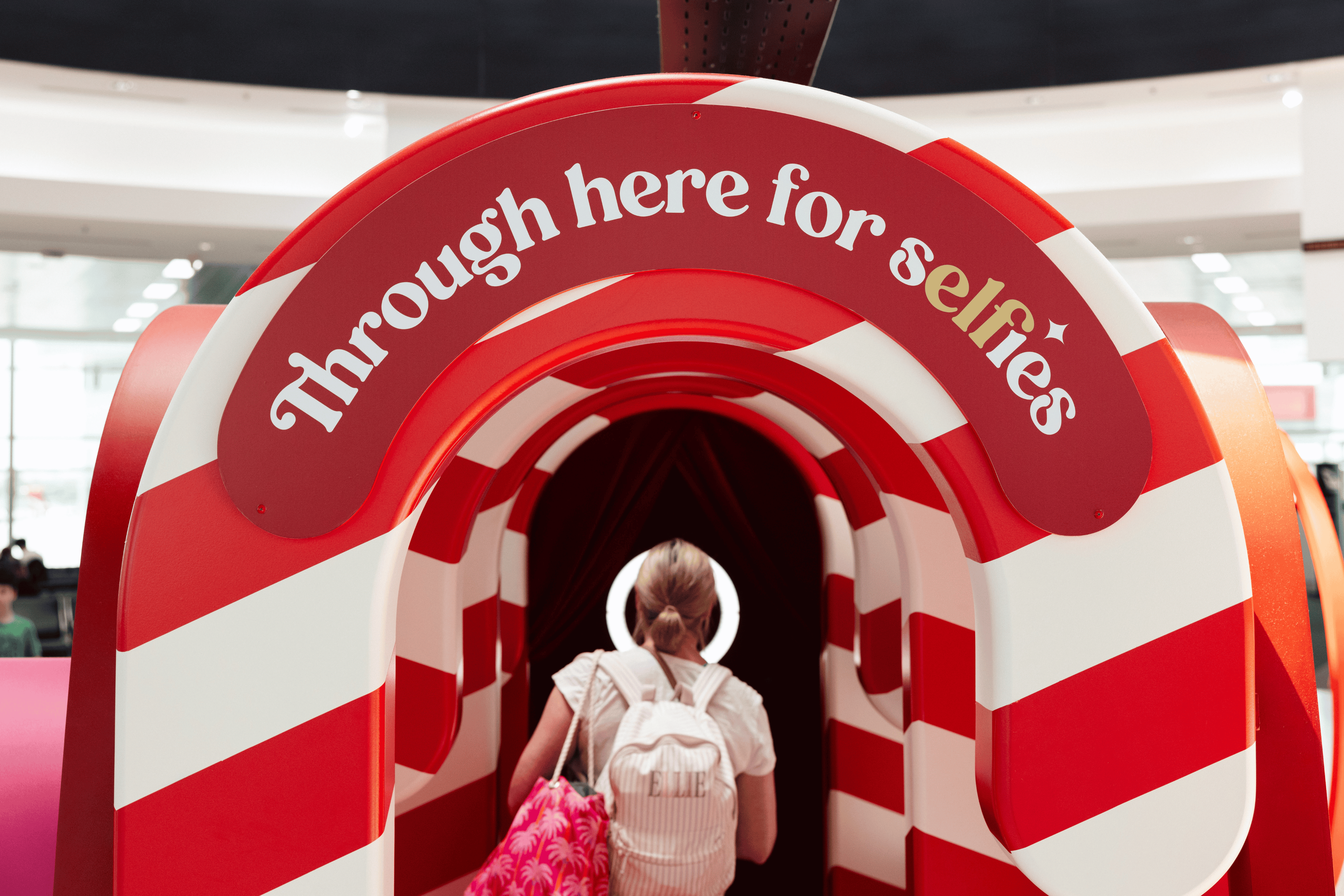
Christmas activations can take many forms: a custom Santa set, oversized decorations suspended above a shopping centre floor, or a fully customised experiential pop-up.
Whatever the concept, there’s more to consider than how it looks in the render. Tight installation windows, venue restrictions, custom fabrication and weeks of public use all need to be factored in before the build begins.
For brands, agencies and event producers planning a Christmas campaign, here are eight things to consider when turning a creative idea into a finished installation.
1. Plan the installation schedule around the venue
Shopping centre installations often happen after hours, with a fixed window to get everything installed and ready before trading resumes.
Build venue access, delivery timing and handover requirements into the schedule from the outset. The fabrication and installation teams also need to be working to the same plan, with enough time allowed for final checks before the space opens.
A realistic schedule helps the team understand what can be delivered within the available window and reduces the risk of delays on site.
2. Understand the venue constraints before designing suspended Christmas displays
Hanging presents, oversized baubles and suspended Christmas decorations can create a striking visual feature, but the venue’s structure and access requirements will influence what’s possible.
Fixing points, load requirements and approval processes all need to be understood before the design is finalised. This gives the team a clearer picture of the practical constraints and helps avoid costly changes later.
The goal is to keep the creative ambition while making sure the finished installation works safely within the space.
3. Plan oversized props around real-world access
A life-size Santa sleigh or oversized Christmas ornament might fit perfectly in its final position, but can it get through the loading dock, corridors and lifts?
For large custom props, the construction approach needs to account for transport and assembly as well as the finished appearance. Breaking a feature into sections may make it easier to move and install without compromising the overall finish.
Planning for access during the design and fabrication stages helps avoid difficult surprises on bump-in day.
4. Design Santa sets for the people using them
A Santa set needs to do more than look good in photos. It also needs to accommodate families, queues, photographers and staff throughout the day.
Allow for how people will move through the space, where photos will be taken and whether there’s enough room for the experience to operate comfortably.
Getting the layout right helps create a set that works for the venue and the people using it, not just the campaign imagery.
5. Build for the full Christmas season, not just opening day
Christmas displays can be in use for weeks, often in busy shopping centres where people are constantly moving around them.
Materials, finishes and construction need to suit that level of use. A feature that looks great on installation day also needs to hold up to regular contact, cleaning and day-to-day operation.
Factoring durability into custom fabrication helps protect the finish and reduces the likelihood of avoidable maintenance issues during the campaign.
6. Spend the budget where it makes the biggest difference
When planning a custom Christmas display, not every element needs the same level of detail or investment.
Identify the features that define the experience, whether that’s a hero prop, a distinctive backdrop or a large-scale suspended display. These are often the elements worth prioritising, while supporting components may offer opportunities to simplify.
Involving your fabrication partner while the design is still flexible can help uncover practical options before the budget is locked in.
7. Plan the removal before the installation
Christmas activations have an end date, and shopping centres often have strict requirements for when a space needs to be cleared.
Map out how the display will be dismantled, transported and stored or disposed of once the campaign finishes. If components may be reused, that can also influence how they’re designed and fabricated.
Planning the bump-out alongside the initial installation helps avoid a rushed removal and gives the team a clearer picture of the full project scope.
8. Allow for differences between shopping centre sites
Rolling out one Christmas activation across multiple locations can bring a different set of challenges at each venue.
Ceiling heights, access routes, available space and installation windows can vary, even when the creative concept stays the same.
An early site review identifies where the build can be standardised and where adjustments are needed. This helps keep the campaign consistent while allowing for the practical requirements of each location.
Planning your next Christmas activation?
The best time to work through fabrication and installation challenges is while the creative is still taking shape, not when the build is already underway.
Getting your fabrication team involved early gives you more room to explore options, solve practical challenges and make informed decisions before the pressure of installation day.
Planning a Christmas activation? We’d love to hear what you have in mind.
Got a big idea for your next event?
From custom props and display structures to fully realised brand activations, our team can help you work out the best approach for your project. Let’s make it happen.
Read More
Project stories, industry insights, and a look inside how Traction Studios brings creative concepts to life.